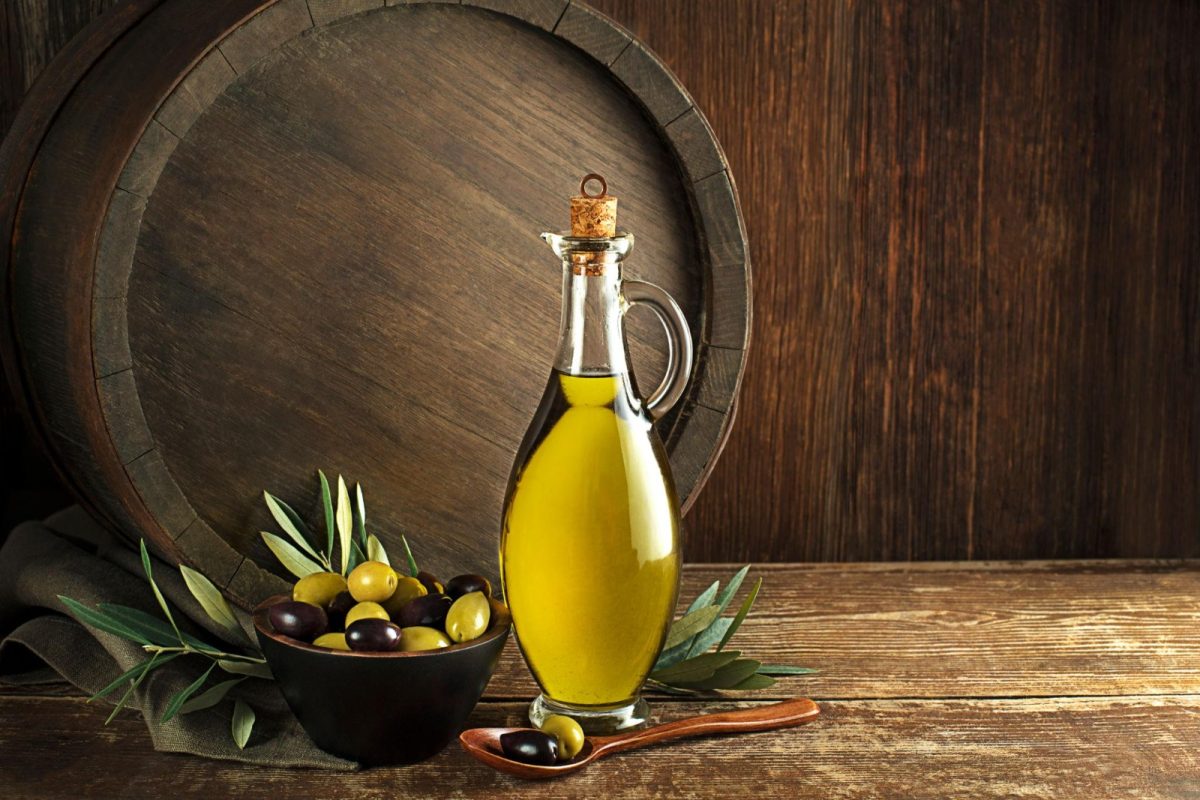
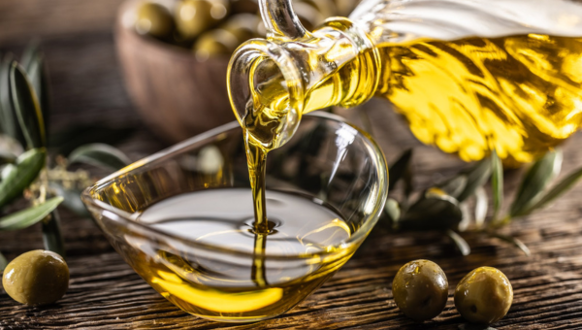

In Portugal, olive oil is perhaps the one ingredient that holds the entire country’s cooking together. Olive oil can add a richness to any dish, despite the simplicity of its ingredients.
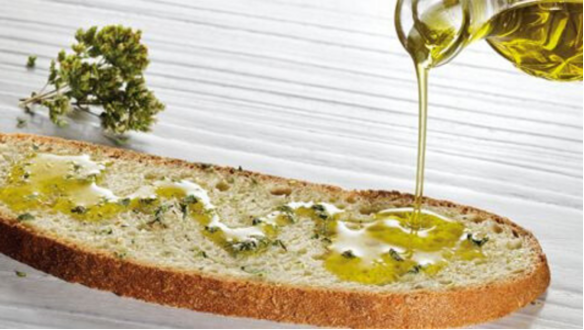
Long before many parts of the world started fetishizing “extra virgin”, Portugal had already been using it to soak bread at the beginning of a meal, to drizzle over refreshing salads with vegetables or seafood, to gloss grilled fish, to pan fry meats, and even to enrich desserts.
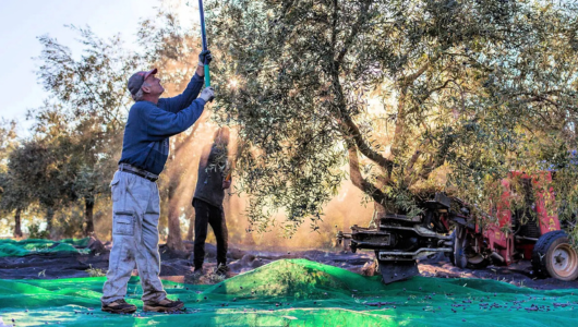
Harvest season continues to be communal, with neighbours gathering to beat olives from the branches, mills working day and night, and families storing the year’s supply in clay jars.
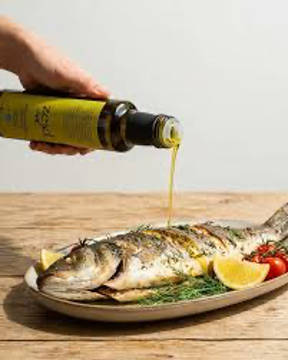
To say olive oil is essential to Mediterranean cooking is an understatement.
A humble soup of bread, garlic, coriander, and water, would be flat without the generous swirl of raw olive oil poured over it just before serving. Even meats, sausages, and vegetables, are often finished with a drizzle before serving it at the table.
In addition to flavour, nutrition science has long praised olive oil as a cornerstone of the Mediterranean diet, which is linked to longevity and reduced risk of heart disease. Rich in monounsaturated fats and antioxidants, it brings taste and plenty of nourishment to everyday meals.
Mediterranean households often keep two kinds of olive oil in their pantry – a premium extra virgin for finishing dishes and dressing salads, and a bottle of blended azeite for cooking.
Here’s a short glossary of terms:
When selecting a Portuguese olive oil there are three flavour traits to keep in mind: fruitiness, bitterness, and spiciness.
The balance between these defines the style. A grassy oil made from greener fruits from Trás-os-Montes will sting the back of your throat with a peppery kick, while an Algarve oil often tend to be fruitier, with aromas reminiscent of apples or almonds.
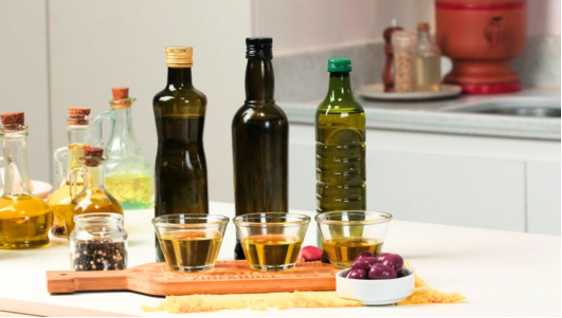
In Portugal, olive oil has never been just for cooking. For centuries it has played a role in medicine and beauty.
One of its most common uses is in skincare. Traditional olive oil soaps, sometimes blended with herbs like rosemary or lavender, have been made for generations and are still sold in markets and pharmacies today.
Known as sabonete de azeite, these soaps are gentle on the skin and have regained popularity as Portuguese producers now package artisanal olive oil soaps and balms for both local and international markets.